
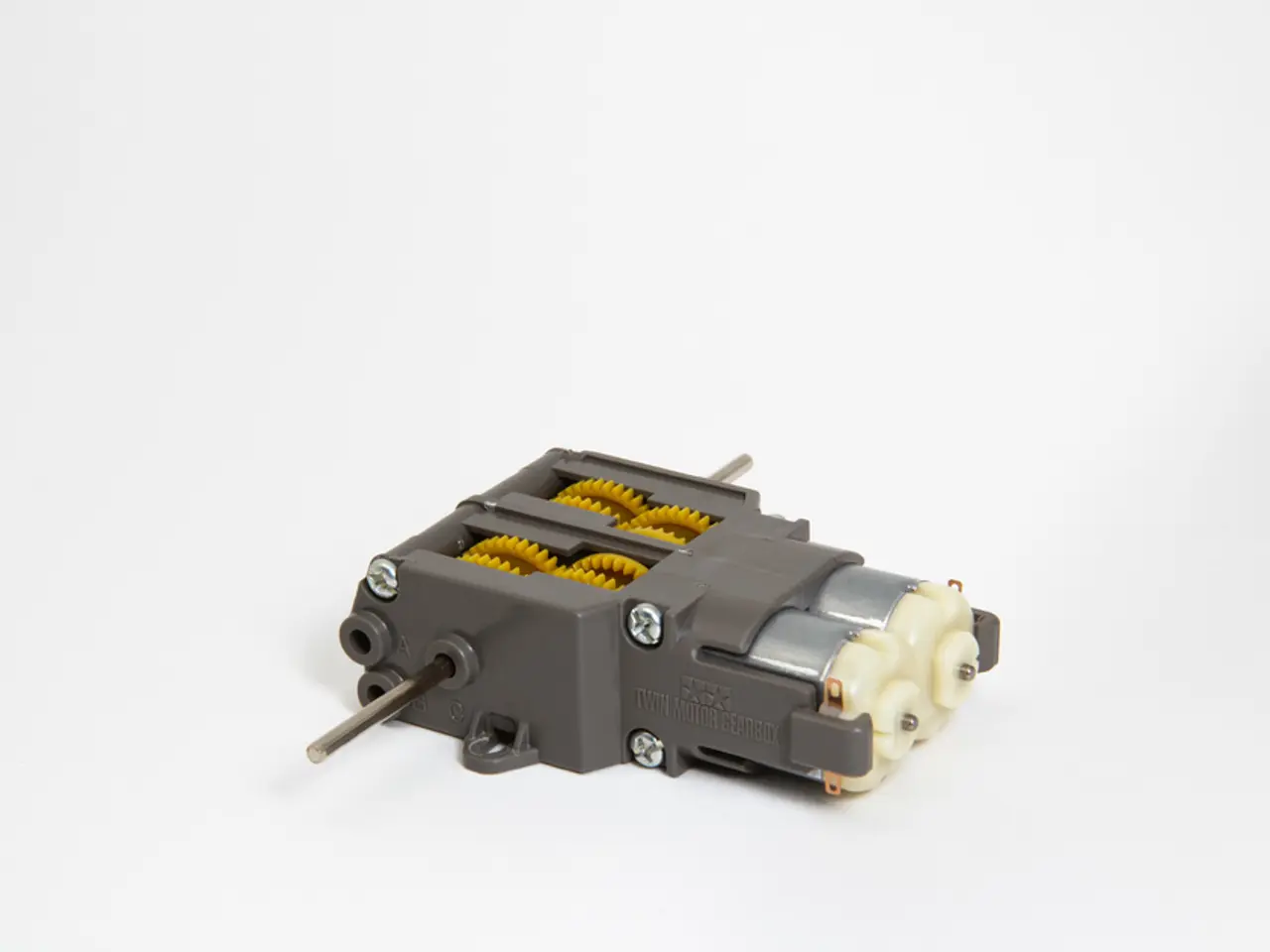
Exploring magnetism's frontiers: A closer examination of the potential and obstacles in magnetic engine technology
Magnetic motors, an innovative technology that harnesses magnetic fields to convert electric energy into mechanical rotation, are quickly gaining traction across various industries. These motors offer advantages such as higher efficiency, reduced size, and increased speed compared to traditional electric motors.
The efficiency of energy storage systems and seamless integration with magnetic motors are crucial for their widespread adoption. Advancements in battery technology play a significant role in this regard.
Exciting Developments in Magnetic Motor Technology
Current advancements in magnetic motor development, particularly in industries like aerospace, transportation, renewable energy, and miniature systems, include significant innovations in magnet materials, motor design, and manufacturing processes. These improvements aim at enhancing efficiency, compactness, and thermal stability.
One promising area for magnetic motors is in the development of electric vehicles (EVs), which could lead to a reduction in energy consumption and emissions. For instance, the use of rare earth magnets like neodymium and samarium-cobalt in hybrid electric vehicles (HEVs) and electric vehicles (EVs) offers better thermal stability, resistance to demagnetization, and lower energy losses compared to conventional motors, thereby improving vehicle performance and energy efficiency.
Another exciting aspect is the potential for mass production of magnetic motors through research into advanced materials such as high-temperature superconductors. This could lead to substantial cost savings in the long run for businesses and consumers.
Challenges Ahead
Despite the promising advancements, the magnetic motor industry faces several hurdles. One significant challenge lies in the available materials for constructing high-performance magnetic motors, with rare earth metals like neodymium and samarium currently used for their strong magnetic properties. However, the mining and processing of these elements pose significant environmental challenges, including pollution and habitat destruction. Stricter regulatory landscapes worldwide increase production costs, restrict raw material availability, and require investments in cleaner technologies, impacting market growth and motor development.
Another challenge is maintaining thermal stability under extreme aerospace and industrial conditions. While progress has been made to enhance magnet performance up to 500°C, achieving stability under these conditions remains challenging.
Balancing miniaturization with power output is another hurdle, particularly for applications in electronics or medical devices. Achieving high power density in ultra-small motors requires continued materials innovation and precise manufacturing techniques.
Overcoming Obstacles and Embracing a Greener Future
Ongoing research and innovation aim to overcome these hurdles, making magnetic motors more environmentally friendly. For example, innovations in recycling processes and the use of sustainable materials are contributing to a cleaner, greener future for magnetic motor technology.
A collaborative approach between researchers, industry, and policymakers is essential to drive advancements in magnetic motors. By working together, we can ensure that magnetic motors become an integral part of our lives, revolutionizing transportation, energy production, and technology, while minimizing their environmental impact.
In conclusion, the magnetic motor industry is advancing rapidly, driven by growing demand in EVs, aerospace weight reduction, renewable energy efficiency, and miniaturization for electronics. However, it faces hurdles linked to environmental concerns and the technical limits of magnet materials and manufacturing. With a focus on sustainability and collaboration, we can look forward to a future where magnetic motors play a significant role in our daily lives.
[1] Northern Rare Earth Group Develop 3-Watt, 6mm Disc-Type Permanent Magnet Motor, www.prnewswire.com [2] The Future of Magnetic Motors: Challenges and Opportunities, IEEE Spectrum, spectrum.ieee.org [3] Oriental Motor Advances Motor Control Technology, www.orientalmotor.com [4] Direct-Drive Generators for Wind Turbines, National Renewable Energy Laboratory, www.nrel.gov [5] Advances in Micro Motor Materials and Design, IEEE Transactions on Magnetics, ieeexplore.ieee.org
- Significant advancements in both science and technology are essential for the magnetic motor industry to overcome environmental concerns, as evidenced by ongoing research into sustainable materials and recycling processes.
- Collaboration between the science and technology sectors, policymakers, and industry will be vital in driving advances in magnetic motor technology that result in a greener future, given the challenges faced in areas like the mining and processing of rare earth metals.