
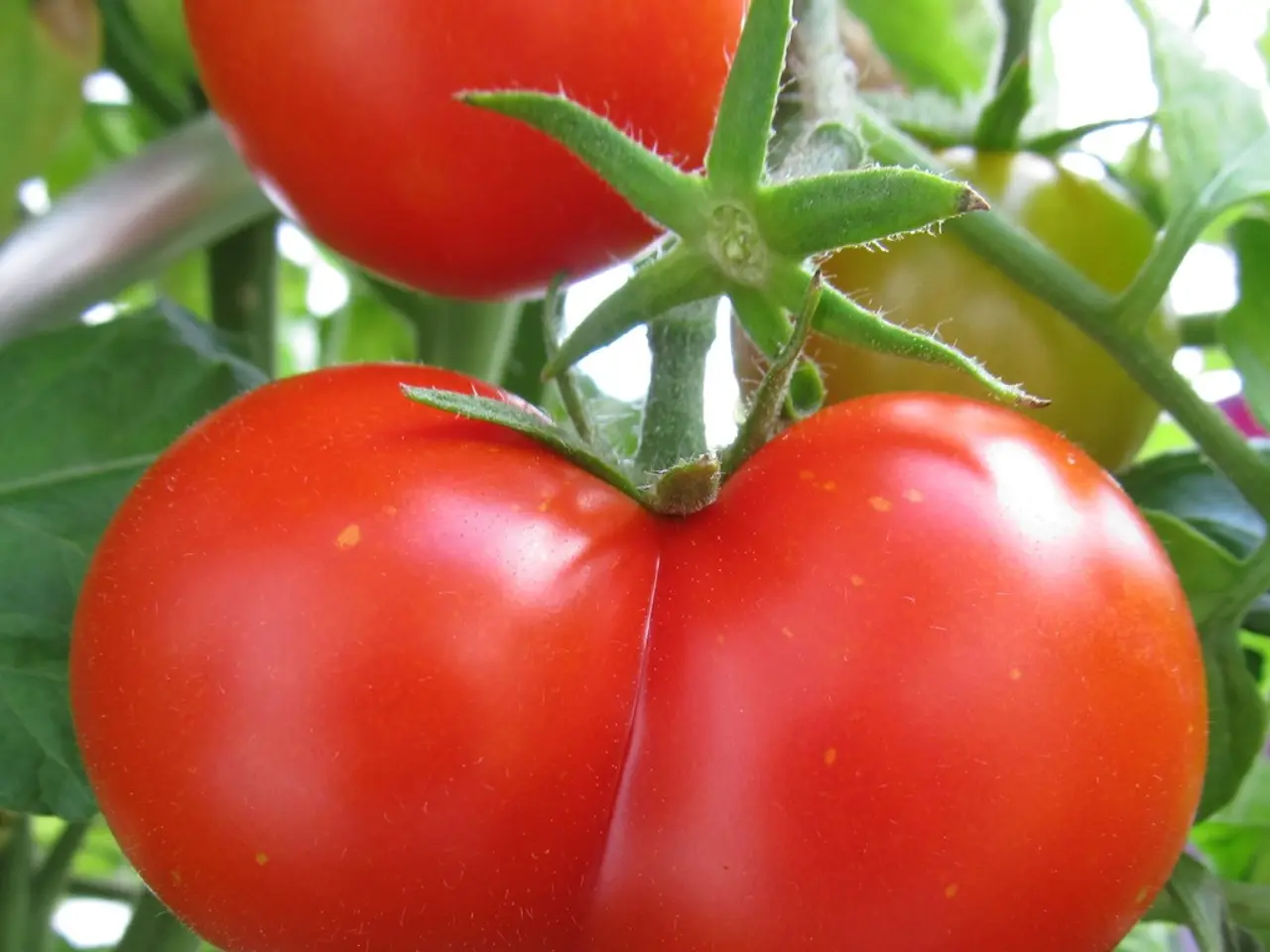
Potato's origin traced back to the tomato, according to new research
In the heart of South America, around nine million years ago, a significant evolutionary event took place. This was when the majestic Andes mountain range was rising, and it coincided with the emergence of a new lineage of plants - the potatoes.
This fascinating transformation was the result of a hybridization event between wild tomato plants and a potato-like wild Chilean species group called Etuberosum. This natural interbreeding combined genetic material from both lineages, producing a new lineage (Petota) that developed the ability to form tubers - the nutrient-storing underground structures that are so characteristic of potatoes.
Neither the ancestral tomatoes nor the Etuberosum species had tubers. However, this hybridization triggered the evolution of tuber formation, allowing the potato lineage to emerge and diversify. This adaptation likely helped the potato lineage survive cold Andean climates by storing nutrients underground, eventually leading to the domesticated potato species that we know today.
The research, published in the journal Cell, has resolved a longstanding mystery about potatoes’ origin. It confirms the critical role of ancient tomato hybridization in potato evolution. The study, based on analysis of 450 genomes from cultivated and wild potatoes and 56 wild potato species, suggests an explosion of new potato species and a rich diversity we see today.
One of the key advantages of potatoes was their reproduction method. Unlike many plants, potatoes reproduced from tuber sprouts, without the need for seeds or pollination. This made them highly adaptable, allowing them to quickly colonize new territories.
As they spread from temperate grasslands to cold alpine regions in Central and South America, potatoes proved their resilience. They could resist cold temperatures, droughts, and poor soils, making them ideal for the harsh Andean environment.
Today, potatoes have become one of the most consumed products worldwide. Their humble beginnings in the Andes have led to a global impact, feeding millions and contributing to diverse cuisines around the globe. It's a testament to the power of evolution and the wonders of nature.
In light of this research, the development of potatoes' tuber formation can be attributed to a combination of factors, including environmental science, specifically the cold Andean climates, and the technological advancement in artificial intelligence, which made it possible to analyze 450 genomes from various potato species. This breakthrough in environmental-science and biological research has furthered our understanding of how potatoes' unique reproduction method, a result of artificial selection and hybridization, played a significant role in their worldwide adoption and impact on various cultural cuisines.